
If you’ve hired professional cabinet painters and ended up with peeling, chipping, or flaking paint just months later, you’re not alone. It’s one of the most frustrating things a homeowner can deal with — especially when you paid good money for what was supposed to be a quality project. And if you’ve been searching for answers about why cabinet paint peels, this article is going to break it all down in plain English so you know exactly what went wrong, what to look for next time, and how to make sure your cabinets stay beautiful for years.
Here’s the truth that most painting companies won’t tell you: understanding why cabinet paint peels almost always comes down to one thing — shortcuts during prep work. Not the paint itself. Not the color you chose. Not even the humidity in your kitchen. It almost always comes back to what happened (or didn’t happen) before the first coat of paint ever hit the wood.
Key Takeaways:
What Actually Causes Cabinet Paint to Peel?
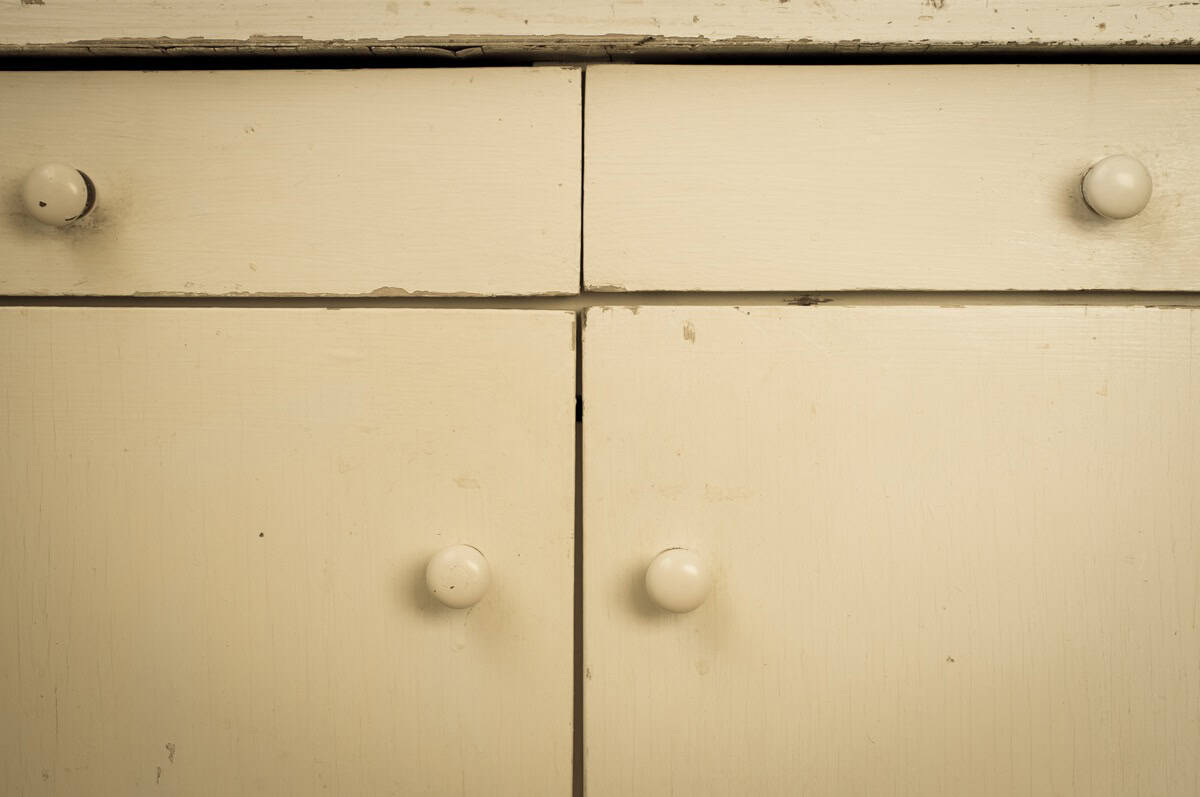
Let’s get right into it. When you look at why cabinet paint peels, bubbles, or chips, there’s always a reason. Paint doesn’t just decide to fall off one day. Something went wrong during the job — or the wrong products were used.
Here are the most common reasons cabinets fail after painting:
- Skipping the cleaning step. Kitchen cabinets collect grease, cooking oil, fingerprints, and grime every single day. If that buildup isn’t fully removed before painting, the new paint is basically sitting on top of a slippery layer of gunk. It has nothing to grab onto. A proper cleaning with a degreaser — not just a quick wipe-down — is a non-negotiable first step.
- Not sanding properly. Factory finishes on cabinets are designed to be smooth and durable. That’s great when they’re new, but it means fresh paint has a hard time sticking to that surface. Sanding (or using a liquid deglosser, depending on the situation) creates tiny grooves and scratches that give the new paint something to grip. Skip this step, and you’re asking for trouble within the first year.
- Using the wrong primer — or no primer at all. Primer is what bonds the paint to the surface. Without it, you’re relying on the paint alone to do the heavy lifting, and most paints just aren’t designed for that. On top of that, different surfaces need different primers. A primer made for drywall isn’t going to perform the same way on a lacquered maple cabinet. The right primer matched to your cabinet material is what makes the paint job last.
- Applying paint too thick. When painters rush and try to get full coverage in one heavy coat, the paint doesn’t cure evenly. The outside layer dries while the inside stays soft. Over time, that soft underlayer causes cracking and peeling. Thin, even coats with proper dry time between each one — that’s the correct approach.
Why Cabinet Paint Peels More Often in Coastal Areas Like La Jolla, CA
Living near the coast in La Jolla, CA comes with some painting challenges that homeowners in inland areas don’t have to worry about. It’s actually one of the less obvious reasons why cabinet paint peels in Southern California homes. The salt air, higher humidity, and temperature swings between morning fog and afternoon sun all affect how paint performs on cabinetry.
Moisture is the biggest factor. When there’s excess moisture in the air (or trapped in the wood), it gets between the paint and the surface. As that moisture expands and contracts with temperature changes, it pushes the paint away from the wood. This is why cabinet paint peels more often in kitchens and bathrooms near the coast. There’s more ambient moisture working against the finish.
The fix? Using moisture-resistant primers and paints formulated for high-humidity spaces. A quality cabinet painter working in La Jolla should already know this and adjust their product selection based on where your home sits and how much coastal exposure your kitchen gets.
The Paint Itself Matters More Than You Think
Not all paint is created equal, and this is where a lot of budget-friendly cabinet painting jobs fall apart. There’s a big difference between wall paint and cabinet-grade paint.
Wall paint is made to look good and cover well. Cabinet paint is made to look good, cover well, AND hold up to constant touching, opening, closing, wiping, and bumping. Kitchen cabinets are some of the hardest-working surfaces in your home. They get touched dozens of times a day. They deal with heat from the stove, steam from the dishwasher, and splashes from the sink.
A good cabinet paint has a harder, more durable finish once it cures. It resists fingerprints, stains, and scuffing. Two of the most well-regarded options among professional cabinet painters are acrylic alkyd hybrids and waterborne urethane-modified paints. These products dry harder than standard latex, clean up easily, and hold their color without yellowing over time.
If your painter is using basic wall paint on your cabinets to save money, you’re going to see problems — usually within the first six to twelve months.
Why Cheap Cabinet Painting Jobs Almost Always Fail
Here’s where the conversation gets a little uncomfortable, but it needs to happen.
When you see a cabinet painting quote that seems too good to be true, it probably is. This is the number one reason why cabinet paint peels for homeowners who thought they were getting a deal. Low-cost painters cut corners to hit those price points, and the corners they cut are almost always the ones that matter most: cleaning, sanding, priming, using quality products, and allowing proper dry times between coats.
A proper cabinet painting job involves multiple steps spread across several days. Your cabinets need to be cleaned, sanded, primed, painted (usually two coats minimum), and allowed to cure. If someone tells you they can do your whole kitchen in a day or two, that should raise a red flag.
The difference between a $1,500 cabinet painting quote and a $4,000 quote usually isn’t profit margin — it’s the amount of time and care going into the prep work, the quality of the products being used, and whether or not the crew has specific experience painting cabinets (which is very different from painting walls and trim).
You don’t have to spend a fortune, but you should understand what you’re paying for. Ask questions. Ask what primer they use. Ask how many coats they apply. Ask how long the job will take. A painter who can answer those questions confidently and explain their process is someone who’s done this before and knows what it takes to get lasting results.
The Right Process: What a Proper Cabinet Painting Job Looks Like
So what should you expect from professional cabinet painters who do the job right? Here’s a step-by-step look at the process that prevents peeling and chipping:
Step 1 — Removal and labeling. Cabinet doors and drawer fronts should be removed and labeled so they go back in the right spots. This allows for better access, cleaner edges, and a more even finish.
Step 2 — Deep cleaning. Every surface gets cleaned with a professional-grade degreaser. This removes all the grease, oil, and residue that’s built up over the years.
Step 3 — Sanding. All surfaces are sanded to create a profile for the primer to bond to. This is especially important on factory-finished cabinets with a smooth or glossy surface.
Step 4 — Priming. A bonding primer designed for cabinetry is applied. This layer is what connects the paint to the surface and keeps everything locked in place.
Step 5 — First coat of paint. A thin, even coat of cabinet-grade paint is applied and allowed to dry fully.
Step 6 — Light sanding between coats. A light scuff sand between coats smooths out any imperfections and gives the second coat something extra to hold onto.
Step 7 — Final coat. The second (sometimes third) coat goes on, followed by a full cure time before the doors are reattached.
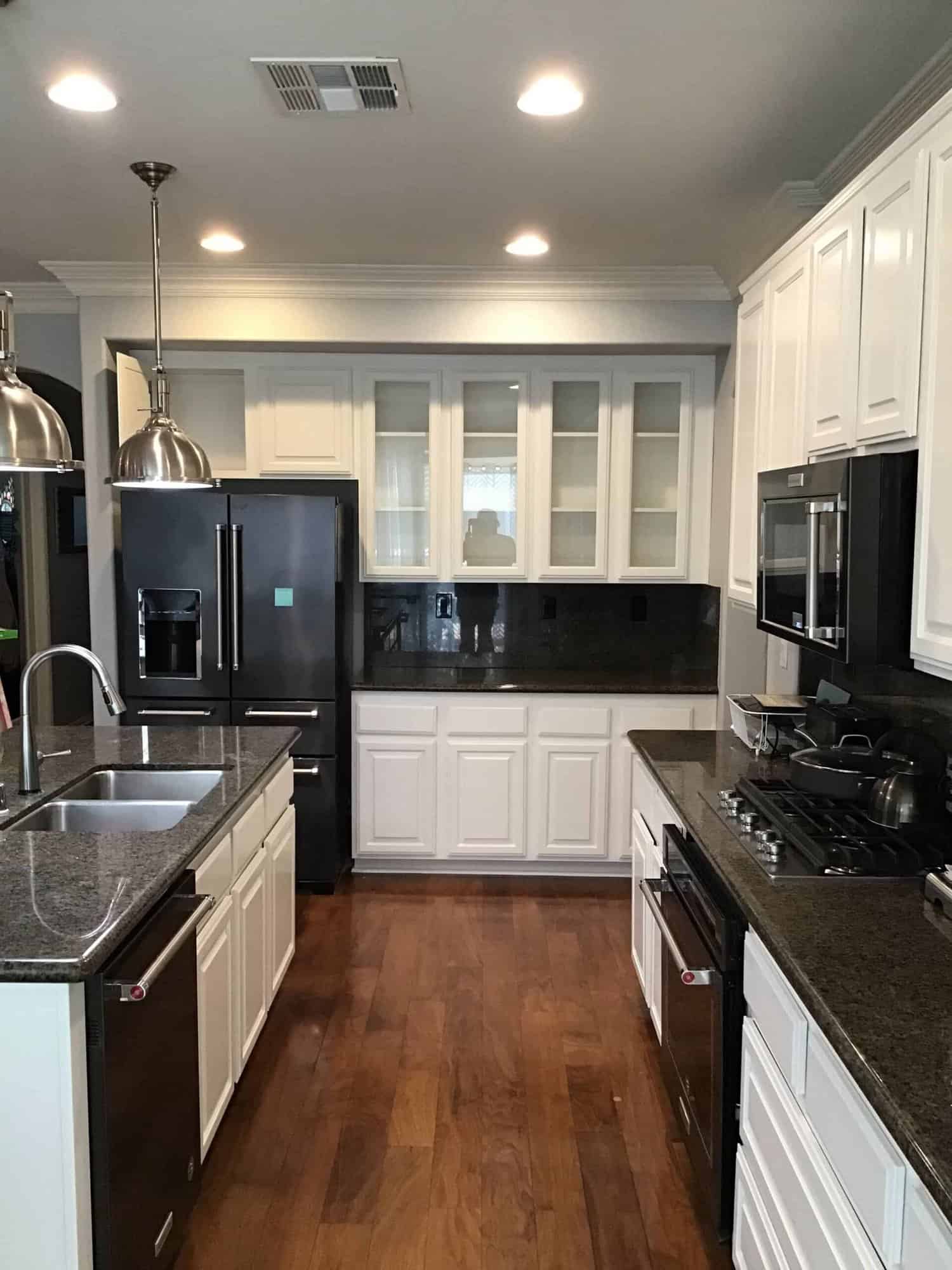
This process takes time. There’s no way around it. But it’s the difference between cabinets that look amazing for a decade and cabinets that start peeling before the holidays.
How to Tell if Your Painter Knows What They’re Doing
You don’t need to become a paint expert to spot a qualified cabinet painter. Just ask a few pointed questions during the estimate:
“What’s your prep process?”
If they can’t describe a detailed cleaning, sanding, and priming routine, move on. Professional cabinet painters will walk you through every step without hesitation.
“What brand and type of paint do you use on cabinets?”
If they say “whatever the homeowner wants” or can’t name a specific product line, that’s a concern.
“How long will the job take?”
A kitchen with 30 cabinet doors and drawer fronts done right will take at least 5 to 7 days. If they’re quoting 2 days, the math doesn’t add up.
“Can I see photos of past cabinet work?”
Before-and-after photos are great, but ask if they have photos from jobs done 2 or 3 years ago. That tells you whether their work holds up over time.
“Do you offer any kind of warranty?”
A painter who stands behind their work is a painter who’s confident in their process.
Why Fixing a Failed Cabinet Paint Job Costs More Than Doing It Right the First Time
If your cabinets have already started peeling, the bad news is that fixing the problem means starting almost from scratch. Once you’ve seen firsthand why cabinet paint peels, you know it’s not a spot-fix situation. The old paint has to be stripped or sanded down completely. Any areas where moisture got underneath the finish need to be dried out and treated. Then the entire prep and painting process starts over.
This almost always costs more than the original job — sometimes 30 to 50 percent more — because the stripping and repair work adds hours to the project. It’s one of those situations where paying for quality the first time would have saved you money and frustration in the long run.
Your Cabinets Deserve Better Than a Paint Job That Fails
You’ve already invested in a beautiful La Jolla home. Your kitchen should match. And when it comes to painting your cabinets, the last thing you want is to watch that fresh new finish peel away because someone took shortcuts.
The right painter won’t just make your cabinets look great today. They’ll follow a process that keeps them looking great for years. They’ll use the right products. They’ll take the time to prep every surface. And they’ll stand behind the work with confidence. That’s what separates professional cabinet painters from everyone else.
If you’re thinking about painting your cabinets — or if you’re dealing with a failed paint job that needs to be fixed — call Procoat Painting San Diego Residential Commercial Painters at 619-353-5394. Let’s talk about what your cabinets need, what the process looks like, and what you can expect. No pressure, no runaround. Just straight answers from a team that does this every day.