
Most business owners who have been through a large commercial paint project will tell you the same thing: the price they expected and the price they paid were two very different numbers. That gap — between what you budget and what you spend — is where projects go sideways.
A smart commercial painting budget starts before anyone picks up a brush. And when you plan an interior commercial painting project the right way, you avoid the surprises that derail timelines and strain finances.
Key Takeaways:
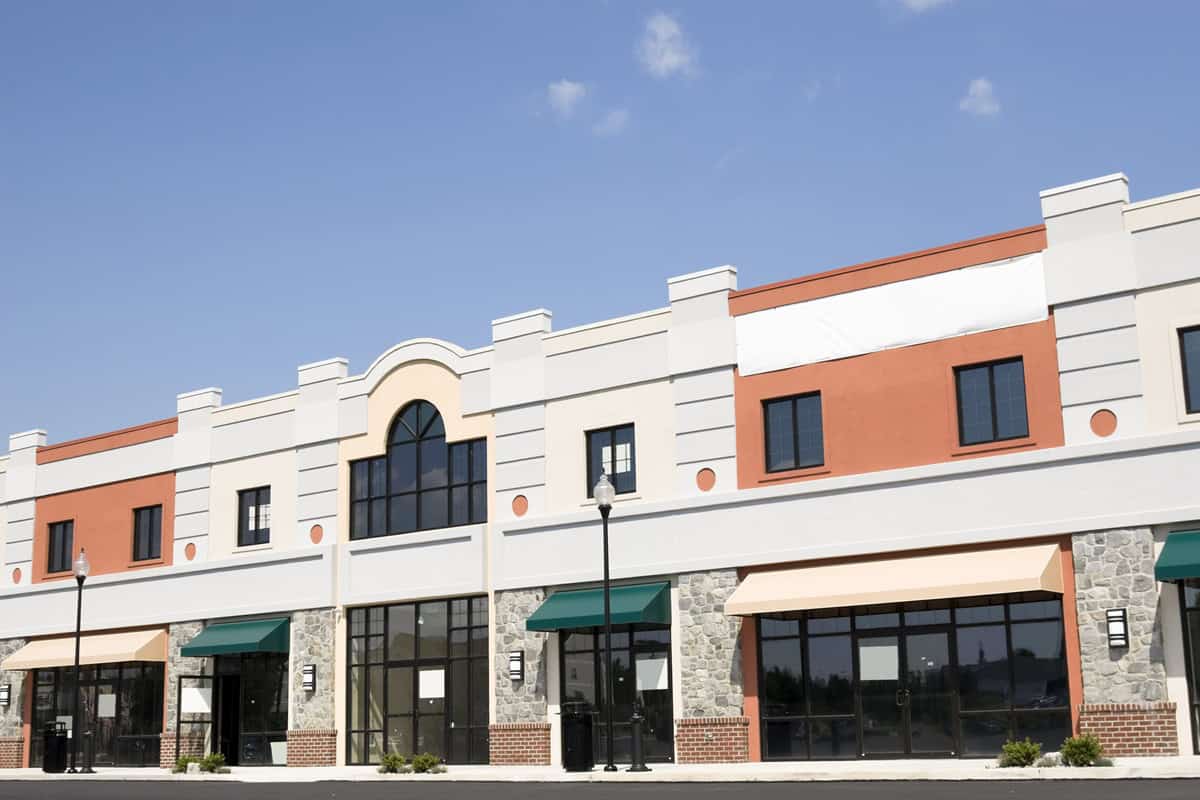
Why Commercial Paint Projects Cost More Than You Think
Here is the honest truth: commercial painting is not residential painting at scale. The job is more complex, the stakes are higher, and the variables are more numerous.
A typical commercial paint job involves factors that most business owners do not think about when they start budgeting:
- Surface preparation. Old paint, rust, water damage, and surface irregularities all need to be addressed before a single coat goes on. This work adds labor hours and material costs that are easy to underestimate.
- Paint type and grade. Commercial environments demand higher-performance coatings. Warehouses, medical facilities, restaurants, and retail spaces each have different coating requirements. Low-VOC paints, antimicrobial coatings, and epoxy finishes all carry different price points.
- Building access. High ceilings, scaffolding, lifts, and hard-to-reach areas increase both labor time and safety equipment costs.
- Business hours. If painting needs to happen after hours or on weekends to avoid disrupting operations, expect to pay a premium for that scheduling.
How to Build a Realistic Commercial Painting Budget
Start With an Accurate Scope of Work
Before you call a single contractor, write down exactly what you want painted. Every wall, ceiling, floor, column, and structural element. Note the current condition. Note whether any surfaces need repair before painting.
The more detailed your scope, the more accurate your bids will be. Vague scopes produce vague bids — and vague bids lead to change orders, which is where costs balloon.
Understand How Contractors Price the Work
Commercial painters typically price jobs based on a combination of:
- Square footage of paintable surface area
- Number of coats required
- Surface prep time (patching, sanding, priming)
- Paint product costs (material markup is standard)
- Labor rates (which vary by region and project complexity)
- Equipment rental (lifts, scaffolding)
- Overhead and profit margin
Knowing this helps you read a bid intelligently. If two bids are dramatically different, dig into the line items. Often the lower bid is skipping prep work or using a lower-grade product.
Build in a Contingency
No matter how carefully you plan, unexpected conditions will show up. Hidden water damage. A surface that needs more prep than estimated. A change in scope mid-project.
A standard contingency for commercial paint projects is 10 to 15 percent of the total project cost. Build this into your budget before you approve anything. If you do not use it, great. If you do, you will be glad it was there.
Phase the Project If Cash Flow Is a Concern
Large commercial buildings do not have to be painted all at once. A phased approach allows you to spread costs across multiple budget periods while still making progress.
Work with your contractor to prioritize areas by condition and visibility. Client-facing spaces, entryways, and conference rooms often take priority. Back-of-house areas, storage rooms, and utility spaces can follow in later phases.
Phasing also gives you the chance to evaluate your contractor’s work before committing to the full scope. That is not a bad thing.
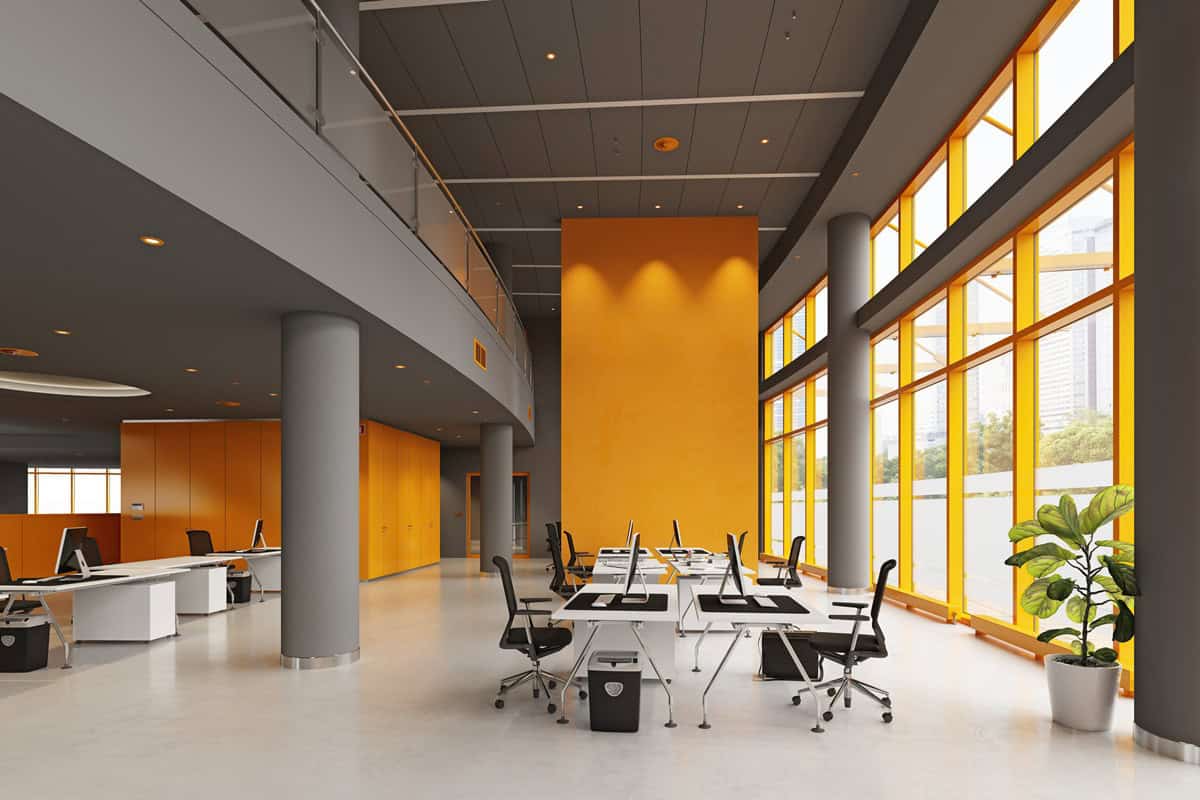
What a Commercial Painting Budget Should Actually Include
Here is a breakdown of the line items a thorough commercial painting budget should cover:
- Labor is typically the largest portion of any commercial paint project, often accounting for 70 to 80 percent of the total cost. This includes surface prep, priming, painting, and cleanup.
- Materials cover paint, primer, caulk, tape, drop cloths, and any specialty coatings. Material costs vary significantly based on the products specified.
- Equipment includes any lifts, scaffolding, or specialty tools required for the project. These are sometimes included in the contractor’s bid and sometimes billed separately — always clarify this upfront.
- Project management covers coordination, scheduling, inspections, and communication. On larger jobs, this is a real cost that should be acknowledged.
- Touch-up and warranty work is often overlooked. Quality contractors stand behind their work. Ask about the warranty period and what it covers before you sign a contract.
The Bid Process: What to Ask For
When soliciting bids for a commercial painting budget, do not accept a single number on a single page. Ask for itemized proposals that break out:
- Scope of work in detail
- Surface preparation procedures
- Paint products and specifications (brand, product line, number of coats)
- Labor hours and crew size
- Project timeline
- Payment schedule
- Warranty terms
Compare bids line by line, not just total to total. This is how you identify contractors who are cutting corners versus ones who are thorough.
How Long Will a Commercial Paint Job Last?
With quality products and proper application, a commercial interior paint job should last five to ten years before needing a full repaint. High-traffic areas may show wear sooner and benefit from touch-up maintenance in between full repaints.
Exterior paint on commercial buildings typically lasts seven to ten years, depending on climate, sun exposure, and the quality of the coating system applied.
Investing in better products upfront extends the life of the paint job and reduces the frequency of repaints — which is the most cost-effective approach over time.
Interior vs. Exterior: Budgeting Them Together
If your building needs both interior and exterior work, it is worth exploring whether your contractor can price them together. Bundling scopes often creates scheduling efficiencies and can reduce mobilization costs.
That said, interior and exterior work often happen at different times of year due to weather. Work with your contractor to plan a sequence that makes sense logistically and financially.
What You Get When You Plan Ahead
Business owners who approach their commercial painting budget with a clear scope, itemized bids, and a built-in contingency almost always have better outcomes. They spend less time dealing with surprises, less money on change orders, and less energy managing contractor conflicts.
The planning stage is where the real work happens. The painting itself is the easy part.
Ready to Get Your Project Moving?
You have worked hard to build something worth protecting. The walls, floors, and surfaces of your building say something about your business before a single word is spoken. A well-executed commercial paint project is a direct reflection of the standards you hold.
At Procoat Painting San Diego Residential Commercial Painters, we have helped business owners across the area plan and execute commercial paint projects without the chaos, the cost surprises, or the corners cut. We show up on time, work within your operational schedule, and back every job with a written warranty.
If you are ready to get real numbers on your project, call us at 619-404-2620. We will walk your facility, ask the right questions, and give you a detailed proposal you can actually use to make a decision.
No vague quotes. No pressure. Just honest information and a clear path forward.