
Every exterior commercial painting project starts with a plan. A color gets chosen. A crew shows up. The building looks sharp on day one.
Then the weather shows up.
How weather affects exterior paint is something most building owners only think about after a problem appears. A fresh coat can start failing in under two years if the right steps are skipped. Sun, rain, and cold each attack the paint in different ways. The damage adds up fast. And the cost of fixing it adds up faster.
Here is what building owners need to know.
Key Takeaways:
The Damage That Sneaks Up on You
Paint failure rarely happens all at once.
It starts small. A little fading on the south wall. A bubble near a window. Some chalky powder on the surface. By the time it’s clear from the street, the damage has gone deep.
This is what makes weather so hard on paint. The early signs are easy to miss. Building owners often feel blindsided. They put money into a paint job. They expected it to hold. When it starts failing early, the questions start.
Was it the crew? The product? Something the owner could have caught?
Most of the time, it comes back to the weather. And each type of weather does something specific to the paint film.
What UV Rays Do to Exterior Paint
The sun works against exterior paint every single day.
UV rays break down the binders that hold the paint film together. Over time, this leads to:
- Fading and color loss on sun-exposed walls
- Chalking, a white, powdery residue that forms on the surface
- Cracking, as the film gets brittle and loses flexibility
On commercial buildings, south and west walls get the most sun. These are usually the first to show wear.
How weather affects exterior paint starts with UV exposure because it never stops. Even on cloudy days, UV rays break down the coating. A wall that looks great in spring can look faded by fall.
Paints with UV-resistant pigments slow this down. But the product has to match the surface type and the local climate.
Moisture Is the Biggest Threat to Any Exterior Commercial Painting Project
If UV rays are the slow burn, moisture is what causes the biggest failures.
Water gets into everything. It seeps into cracks in the substrate. It hides under loose paint edges. It pools where drainage is poor. Once water gets behind the paint film, peeling and blistering follow.
Rain, dew, and humidity all add stress. In wet climates, how weather affects exterior paint is a near-daily problem. The coating is under pressure from the moment it cures.
Moisture damage is hard to fix with surface patches. They rarely hold. Most of the time, the whole section needs to be repainted.
Any exterior commercial painting project done right starts with a moisture check. Caulk gaps get sealed. Damaged spots get repaired. The surface has to be dry and solid before paint goes on. Skipping this step is one of the top reasons paint fails too soon.
Freeze-Thaw Cycles Crack Paint on Masonry
In colder climates, winter brings a different kind of damage.
Water works into small cracks in masonry, brick, or concrete. When it freezes, it expands. When it thaws, it contracts. This repeats many times through a single winter.
Paint on these surfaces cracks, flakes, and pulls away. By spring, a wall that looked fine in October can look years older.
How weather affects exterior paint on masonry is one of the most overlooked problems building owners face. Many schedule repaints every few years without fixing what is causing the failure. They paint over the problem, and the problem comes back.
A fresh coat will not fix cracks in the substrate. The real fix starts with a product rated for masonry, applied at the right time, after cracks have been sealed.
Temperature Swings and Paint Application
Paint cures best in a set temperature range. Most exterior paints work well between 50 and 90 degrees Fahrenheit.
Outside that range, paint may look fine at first. But the cured film will be weaker. It will fail sooner than it should.
An exterior commercial painting project done in the wrong season is a risk. Rushing a crew to paint during a cold snap or a heat wave sets the coating up to fail from the start. Building owners who push for speed in bad weather often pay for two paint jobs instead of one.
Timing matters. So does checking the conditions on the day the work starts.
A Practical Plan That Holds Up
Protecting your building’s exterior paint starts before any paint is mixed.
Here is a plan that works:
- Assess the surface first. Look for cracks, water damage, peeling, or failing caulk. Fix these before painting. Paint cannot fix a damaged substrate.
- Match the product to your climate. Not all exterior paints perform the same in all regions. Match the product to your local conditions.
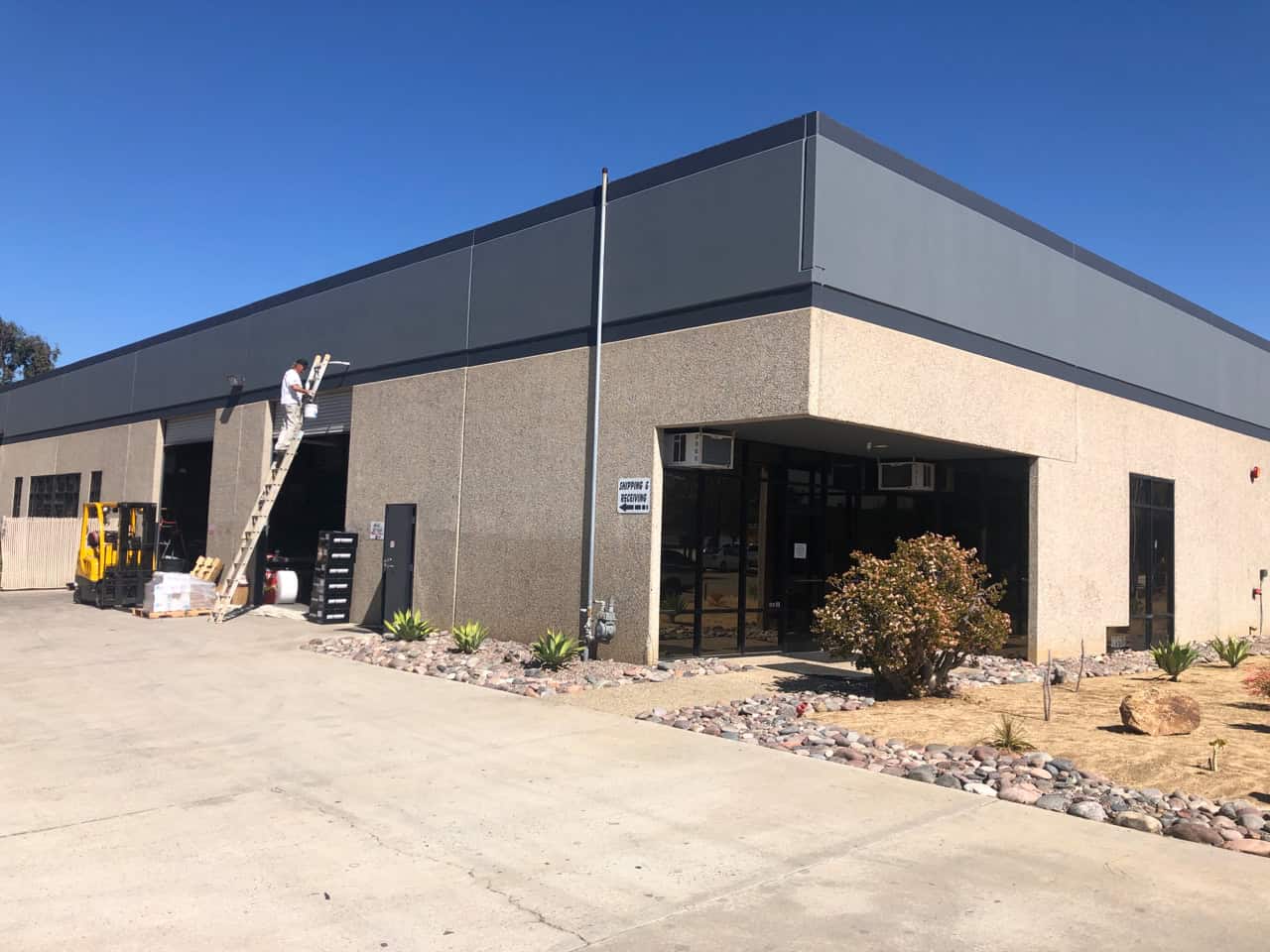
- Time the exterior commercial painting project around the weather. Schedule work during windows that fall within the paint maker’s application guidelines. A short delay for better weather beats a full repaint in two years.
- Apply a quality primer. Primer seals the surface and gives the topcoat a stable base. Skipping it shortens the life of the job.
- Inspect once a year. Even a solid paint job benefits from a yearly check. Catching small caulk gaps or surface cracks early prevents much larger repairs later.
This removes the guesswork. How weather affects exterior paint follows patterns. A contractor who knows those patterns will plan for them at every step.
What Paint Failure Costs a Building Owner
A commercial building’s exterior sets the tone before anyone walks through the door.
Peeling paint, faded color, and water stains send a message. Tenants, clients, and visitors all notice. The building looks like it’s not being cared for. In commercial real estate, that impression has real costs.
Building owners who stay on top of paint care protect more than the surface. They protect the asset’s long-term value. They avoid surprise repaints. They keep the property looking maintained, which matters to current tenants and future ones alike.
An exterior commercial painting project planned with weather in mind is a long-term investment. One planned without it is often a repair waiting to happen.
What to Ask Before You Hire a Contractor
Not every painting contractor thinks about how weather affects exterior paint the same way.
The ones who get it right do a few things differently. They check forecasts before setting application days. They test surface moisture before priming. They match products to local climate data, not just what’s easy to source.
They also set clear expectations with building owners up front. A paint job done in the right conditions, on a well-prepped surface, with the right product will last years longer than one that cuts corners.
Knowing what to ask before an exterior commercial painting project starts is part of protecting your investment. Ask about their process for surface prep. Ask which products they use and why. Ask how they handle weather delays. The answers tell you a lot.
Steps Building Owners Can Take Right Now
Prevention costs less than repair. A few simple steps help exterior paint last longer:
- Inspect caulking and sealants at least once a year.
- Check for cracks in masonry or stucco after each winter.
- Clear debris from gutters so water doesn’t run down exterior walls.
- Schedule an exterior commercial painting project before damage gets severe.
- Know how weather affects exterior paint in your region and plan maintenance around it.
Small steps taken early make a real difference in how long a paint job holds.
Protect Your Building Before the Next Season Hits
Paint failure does not happen overnight. It builds up season by season until the damage is hard to ignore.
Building owners who avoid big repair bills are the ones who plan ahead. They ask the right questions before work starts. They pick contractors who know local conditions. They do not wait until the paint is peeling to take action.
Procoat Painting San Diego Residential Commercial Painters works with building owners who want exterior paint that holds up year after year. We assess the surface, match the right products to your local climate, and schedule every exterior commercial painting project around the weather window, not the calendar.
Call Procoat Painting San Diego Residential Commercial Painters today at 619-404-2620. One call now is worth far more than a full repaint in two years.