
You poured real money into your home, which is why professional interior house painters earn their rates. Hardwood floors, custom trim, and built-ins took months to find, and the finish on your walls should match that care. So when a painter quotes half of what those pros charge, it feels like a win. But low cost interior painting rarely tells the full story of what you’ll actually pay. The lowest bid usually means someone cut a corner. And when that corner lives on your walls, your ceilings, or behind your baseboards, you see it every day.
This article breaks down the real risks of low cost interior painting for homes like yours. You’ll see where the savings disappear, what certifications matter, and why the right crew protects more than just your paint job. Let’s look at the numbers, the rules most homeowners never hear about, and the questions that separate a bargain from a buyer’s regret.
Key Takeaways:
The Real Math Behind Low Cost Interior Painting
Interior painting typically runs between $2 and $6 per square foot in the United States, with labor making up 75% to 95% of the bill according to HomeAdvisor. So when a bid lands far below that range, something has to give. Paint gets thinned. Prep gets rushed. Two coats become one. A $2,000 job becomes a $1,200 job on paper.
But here’s the part most quotes leave out. If a crew skips priming, skips sanding, or rolls over old stains without blocking them, you see the defects in months, not years. Then you pay again. A second painting company has to strip, repair, and repaint what the first one botched. At that point, low cost interior painting becomes the most expensive interior painting you’ve ever bought.
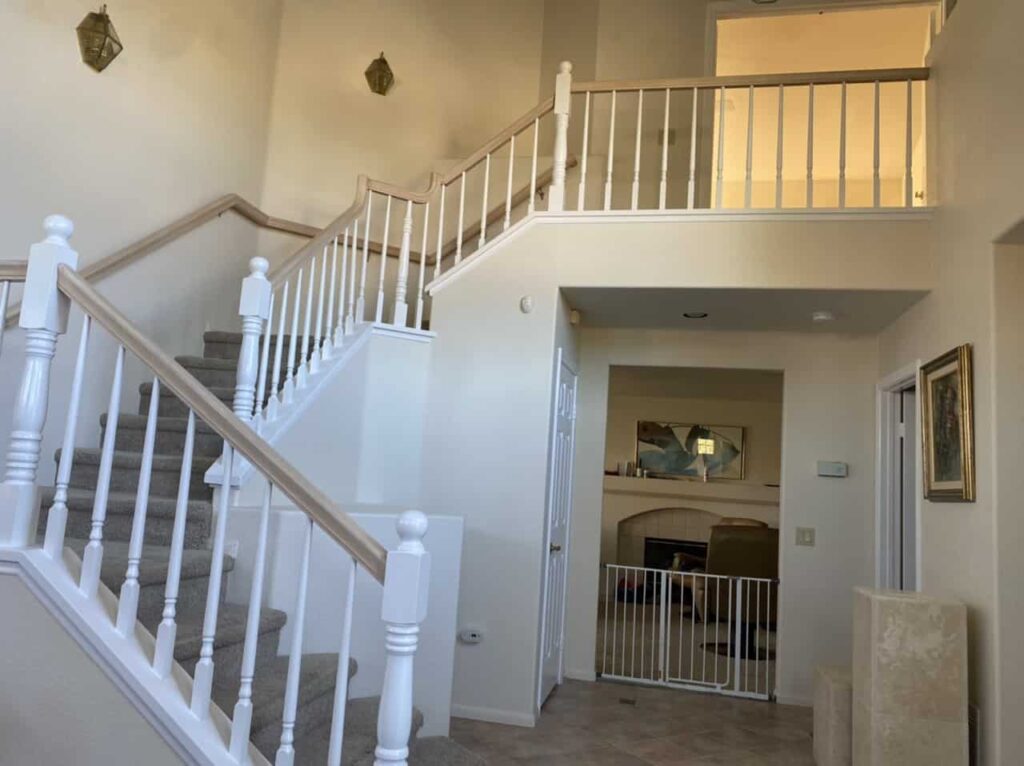
That math gets worse in higher-end homes. Plaster walls, crown molding, and tall ceilings all take real skill. A discount crew with basic tools cannot match that work. Drips on trim. Roller lines under windows. Cut lines that wander past the ceiling edge. These are repair bills dressed up as savings.
The Hidden Risk Nobody Talks About: Lead Paint
If your home was built before 1978, this part matters more than price. The EPA’s Renovation, Repair, and Painting Rule requires any paid contractor who disturbs more than six square feet of interior paint to hold federal lead-safe certification. That includes sanding, scraping, and window prep.
A cheap painter without that certification breaks federal law the moment they sand a single doorframe. Fines can reach $44,792 per day, per violation under the Toxic Substances Control Act. But the bigger risk is what gets left behind. Lead dust is invisible. It settles in carpet fibers, HVAC systems, and window wells. Children and pets pick it up first. Cleanup after a bad paint job can cost more than the paint job itself.
Professional interior house painters who work on older homes carry this certification, follow containment protocols, and keep the paperwork to prove it. Low cost interior painting quotes almost never include these steps, which is exactly why they’re low cost. You aren’t saving money. You’re paying less because less is being done, and what’s missing is the part that protects your family.
What a Low Cost Interior Painting Quote Usually Skips
A well-written quote from professional interior house painters reads like a contract. It lists the surfaces being painted, the prep steps, the paint product and finish, the number of coats, and the cleanup plan. A low cost interior painting quote tends to read like a sticky note. One line. One number.
Here’s what usually gets left off:
- Surface prep. Filling holes, sanding gloss, caulking seams, and priming stains. Skip this and the paint telegraphs every defect underneath.
- Product quality. Contractor-grade paint at $20 per gallon versus premium paint at $75 per gallon. The cheaper product fades, marks, and fails sooner.
- Licensing and insurance. If a worker gets hurt in your home without coverage, the liability can land on you.
- Warranty. Most real painting companies back their work for one to three years. Fly-by-night crews vanish before the paint dries.
The Better Business Bureau tracks home improvement scams as one of the top consumer fraud categories every year. Most complaints trace back to the same pattern: a quote too good to pass up, followed by disappearing crews, unfinished work, and no paper trail. Low cost interior painting isn’t always a scam, but it sits in the same neighborhood.
The Redo Problem: When You Pay Twice
Redo jobs are common in our trade. A homeowner saves $800 on the first round. Then, within a year, they call professional interior house painters to fix it. The new estimate includes stripping failed paint, sanding unsealed trim, re-priming water-damaged drywall, and repainting from scratch. That second bill almost always passes what a quality job would have cost up front.
Low cost interior painting creates this exact trap. The first price feels light. The total cost, spread over two jobs, doubles. And the home sits through weeks of mess twice instead of once. For a higher-end home, that disruption has its own price. Missed gatherings. Delayed sales. Furniture shuffled for months.
How Professional Interior House Painters Protect Your Investment
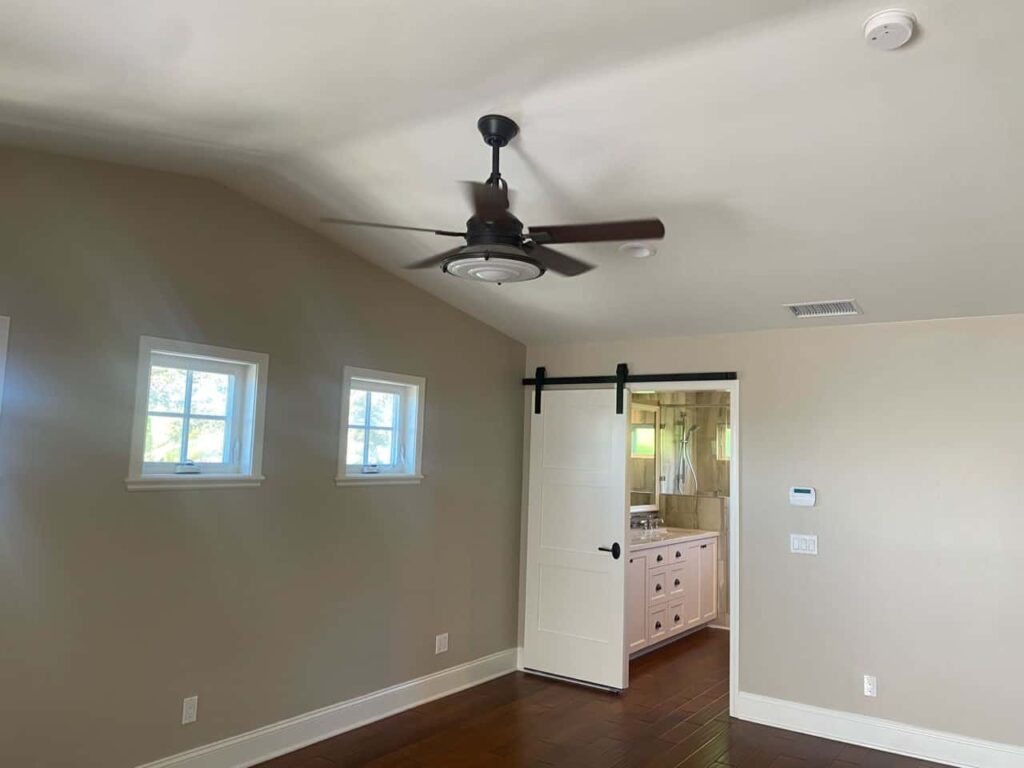
Your home isn’t just square footage. It’s the place your life happens, and it carries real financial weight. Professional interior house painters treat it that way. They show up with a written plan, a crew that owns their tools, and a contract that spells out every step.
The good ones do four things consistently:
- They inspect your home before bidding, not after starting.
- They explain their prep work in plain language.
- They match paint products to your surface and lighting conditions.
- They clean up every day, not just at the end.
Low cost interior painting skips all four. That’s how the price gets low. But every step skipped is a risk you quietly absorb.
A Short Checklist Before You Sign Anything
Before you hand over a deposit, ask for these five items in writing:
- Proof of general liability insurance and workers’ compensation.
- EPA lead-safe certification if your home was built before 1978.
- A detailed scope of work, including prep steps and paint product names.
- At least three recent references with photos or addresses.
- A written warranty covering peeling, bubbling, and failure for a defined period.
If any painter refuses or delays, you have your answer. Professional interior house painters hand these over without blinking because they’ve done the work to earn them. Low cost interior painting bids fall apart the moment this checklist comes out.
Your Home Deserves a Straight Answer
You didn’t build the life you live inside this home by cutting corners. Your paint job shouldn’t be where that pattern starts. Cheap bids almost always cost more once you count the redos, the damage, the lost time, and the health risks in older homes. A real paint crew earns their price by showing you the work, the paperwork, and the references behind it.
At Procoat Painting San Diego Residential Commercial Painters, our team of professional interior house painters delivers written estimates, real certifications, and the prep work that keeps finishes looking right for years. Call 619-353-5394 to schedule a walk-through and get a detailed quote that shows you exactly where every dollar goes. You’ll know what’s included, what isn’t, and why. That’s the conversation your home earns.
Ready to Get Started—Or Ready for Help?
You didn’t build the life you live inside this home by cutting corners. Your paint job shouldn’t be where that pattern starts. Cheap bids almost always cost more once you count the redos, the damage, the lost time, and the health risks in older homes. A real paint crew earns their price by showing you the work, the paperwork, and the references behind it.
At Procoat Painting San Diego Residential Commercial Painters, our team of professional interior house painters delivers written estimates, real certifications, and the prep work that keeps finishes looking right for years. Call 619-353-5394 to schedule a walk-through and get a detailed quote that shows you exactly where every dollar goes. You’ll know what’s included, what isn’t, and why. That’s the conversation your home earns.