
You finally fixed that scuff mark on your wall—but now it looks worse than before. Interior house painting seems simple enough, until you grab a brush for a quick fix and end up with a blotchy mess that screams “touched up!” These paint touch up tips will help you get seamless results that blend right in with your existing walls.
The truth is, most homeowners have faced this exact frustration. You carefully match the paint color, apply it to the damaged area, and step back only to see a spot that looks completely different from the rest of the wall. It happens all the time. But it doesn’t have to.
Key Takeaways:
Why Touch-Up Paint Often Looks Different
Here’s what’s really happening when your touch-up doesn’t match. Paint changes over time. Sunlight fades it. Dust settles into the finish. Cooking oils, humidity, and everyday wear all shift the color slightly. That leftover paint in your garage? It’s the same formula, but your walls have aged while the can sat untouched.
This explains why even a perfect color match can look wrong. You’re putting fresh paint next to paint that has lived through years of daily life. The difference shows.
The finish matters too. Flat, eggshell, satin, semi-gloss—each one reflects light differently. If your touch-up paint has a slightly different sheen, it will catch light at a different angle and stand out.
Paint Touch Up Tips That Actually Work
Getting a seamless result takes more than slapping paint on a wall. These methods help your repairs disappear.
Start with Clean Walls
Dirt and grime create a barrier between your touch-up paint and the wall. Before you open that paint can, wipe down the area with a damp cloth. Let it dry completely. This simple step helps the new paint bond properly and match the surrounding surface.
Use the Same Application Method
Did a roller apply your original paint? Use a roller for the touch-up. Brushes and rollers leave different textures. A brush stroke on a rolled wall will always look different, even with matching paint. The texture difference catches light and creates a visible patch.
For small touch-ups, use a small foam roller or even a stippling technique with your brush to mimic the roller texture.
Feather the Edges
Hard edges are the enemy of invisible touch-ups. When you apply paint, don’t stop at the damaged area. Extend slightly beyond it and feather the paint out with lighter and lighter pressure. This creates a gradual blend rather than an abrupt line.
Work from the center of your touch-up outward. Apply less paint as you move toward the edges. The goal is to create such a gradual change that your eye can’t detect where the old paint ends and new paint begins.
Thin Your Paint Slightly
Thick paint builds up and creates visible ridges. For touch-ups, consider thinning your paint slightly with water (for latex) or the appropriate thinner (for oil-based). This helps the paint lay flatter and blend more naturally.
Don’t overdo it—a few drops mixed in is usually enough. You want the paint thin enough to feather well but thick enough to cover.
Match the Conditions
Paint dries differently depending on temperature and humidity. If possible, touch up your walls under similar conditions to when the original paint was applied. Extreme heat or cold can change how paint cures and affect the final appearance.
The ideal range for most paints is between 50 and 85 degrees Fahrenheit with moderate humidity. Paint applied in very dry conditions may look different than paint applied on a humid day.

When Touch-Ups Won’t Work
Sometimes, no amount of technique will give you an invisible repair. Here’s when you need to think bigger.
The Paint Is Too Old
If your walls were painted five or more years ago, touch-ups become increasingly difficult. The color shift from aging is often too significant to blend. In these cases, you may need to repaint the entire wall from corner to corner. Natural breaking points—corners, door frames, window frames—hide the difference between old and new paint.
The Damaged Area Is Large
Small scuffs and nail holes respond well to touch-ups. Larger areas—anything bigger than a few inches—often require repainting a larger section. The more touch-up paint you apply, the more obvious the difference becomes.
You Don’t Have the Original Paint
Color-matching technology has come a long way, but it’s not perfect. Even a computerized color match can be off just enough to show. If you can’t find the original paint, test your match in an inconspicuous area first. Behind furniture or inside a closet works well. Let it dry completely before judging—wet paint looks different than dry paint.
The Right Tools Make a Difference
Your equipment affects your results as much as your technique.
- Small foam rollers work great for touch-ups on rolled walls. The foam creates a similar texture without obvious brush strokes.
- High-quality brushes matter for trim and detailed work. Cheap brushes leave bristle marks and uneven coverage.
- Paint conditioner (like Floetrol for latex paint) helps paint flow more smoothly and blend better. It extends the drying time slightly, giving you more time to work the edges.
- Good lighting is often overlooked. Examine your work under the same lighting conditions the room normally has. A touch-up that looks perfect under a work light might look obvious under natural daylight.
A Step-by-Step Process for Seamless Touch-Ups
Follow this process for the best results:
Step 1: Clean the area and let it dry completely.
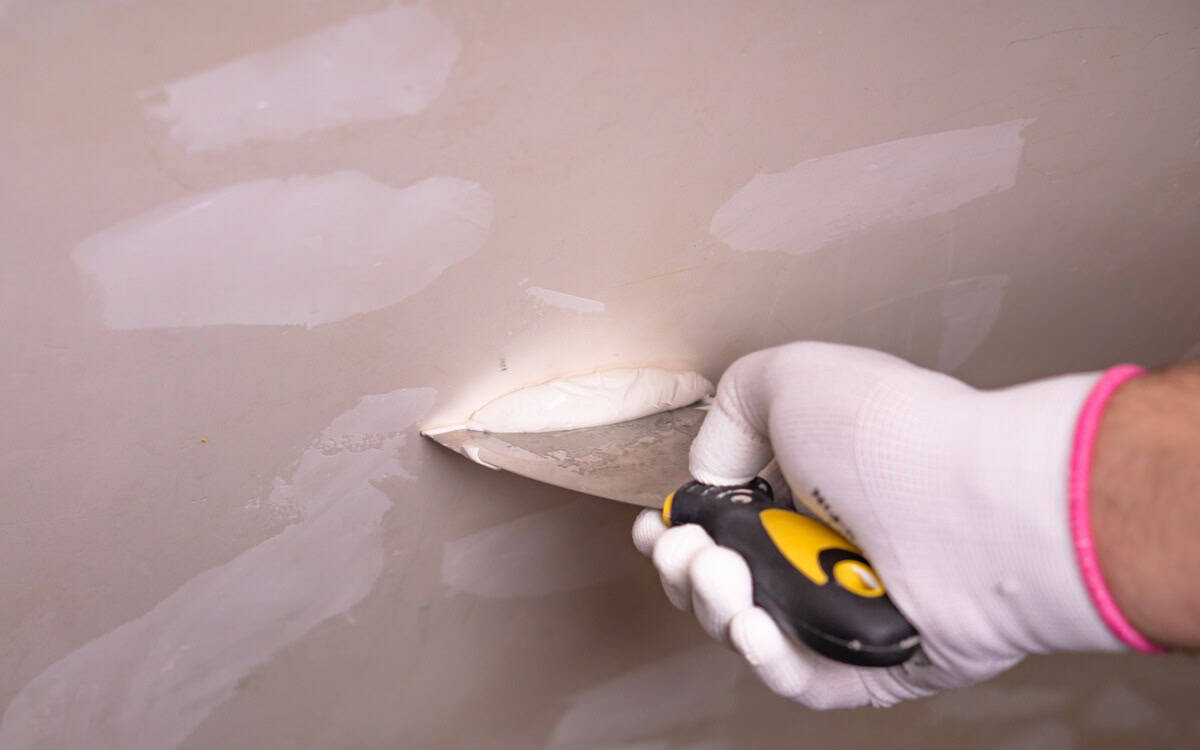
Step 2: If there’s any damage to the drywall, repair it first. Sand smooth and prime if needed.
Step 3: Stir your paint thoroughly. Settled pigments cause color variations.
Step 4: Apply a small amount of paint to the center of the damaged area.
Step 5: Use the appropriate applicator (roller or brush) to match the original texture.
Step 6: Feather the edges outward with decreasing pressure.
Step 7: Let it dry completely—usually 24 hours—before judging the results.
Step 8: Apply a second coat if needed, following the same process.
Why Some Homeowners Call a Professional
DIY touch-ups work great for minor scuffs and small repairs. But some situations call for professional help.
High ceilings and stairwells make touch-up work difficult and dangerous. Older homes with multiple layers of paint present challenges most homeowners aren’t equipped to handle. And if you’re dealing with water damage, mold, or structural issues, the painting is just one part of a bigger project.
Professional painters bring more than skill—they bring experience reading walls. They know when a touch-up will work and when it won’t. They can spot problems that might not be obvious to an untrained eye.
They also have access to professional-grade tools and products that aren’t available at retail stores. These products often provide better coverage and more natural blending than consumer-grade options.
Preventing Future Touch-Up Headaches
The best touch-up is one you never have to do. A few simple habits keep your walls looking fresh longer.
Save your paint. Label it with the room, date, and sheen. Store it properly—cool, dry, and with the lid sealed tight. When you need to touch up, you’ll have an exact match ready.
Address damage quickly. Fresh scuffs and marks are easier to repair than ones that have had time to set in or grow.
Choose the right sheen for high-traffic areas. Satin and semi-gloss finishes resist scuffs better than flat paint and clean up more easily.
Your Walls Deserve to Look Their Best
Patchy touch-ups don’t have to be your reality. With the right technique and a little patience, you can repair your walls without leaving evidence behind.
But if you’ve tried everything and still can’t get a seamless result, that’s okay. Some walls need more than a touch-up—they need a fresh coat applied by someone who does this every day.
At Procoat Painting San Diego Residential Commercial Painters, we help homeowners get the beautiful walls they deserve. Whether you need help with a tricky touch-up or you’re ready to repaint a room from floor to ceiling, we’re here to help. Give us a call at 619-404-2620 to schedule a free estimate and see what a professional finish really looks like.