
Your built-in cabinets looked beautiful when they were first installed. Now? The paint is chipped, the color feels dated, and every time you walk into the room, those worn shelves catch your eye. Professional cabinet painters can bring those built-ins back to life—but only if the job is done right. Painting built-in cabinets requires more than grabbing a brush and a can of paint. It demands proper prep work, the right products, and techniques that separate a DIY disaster from a finish that lasts for years.
Key Takeaways:
Why Built-In Cabinets Need Special Attention
Built-in cabinets and shelves take more abuse than most painted surfaces in your home. You’re constantly placing items on shelves, opening and closing doors, and sliding things across surfaces. That repeated contact wears down paint faster than a wall that nobody touches.
The materials also create challenges. Many built-ins are made from oak, maple, or other hardwoods with visible grain patterns. Others use MDF, plywood, or laminate surfaces. Each material requires different preparation methods. Slapping paint over an oak built-in without addressing the grain leaves you with a rough, textured finish that shows every wood line.
Then there’s the existing finish to consider. Were your built-ins stained? Painted with oil-based paint? Coated with lacquer? Each scenario changes how you approach the project.
The Prep Work That Makes or Breaks Your Project
Skip the prep, and your paint job fails. It’s that simple.
Cleaning Comes First
Built-in cabinets collect years of dust, grease, fingerprints, and grime. Even if surfaces look clean, invisible residue prevents paint from bonding properly. Wash all surfaces with a TSP (trisodium phosphate) solution or a degreaser designed for paint prep. Pay extra attention to areas near kitchens or high-traffic zones.
Sanding Creates the Bond
Paint needs something to grip. On previously painted surfaces, scuff-sanding with 150-grit sandpaper creates that grip. For stained or varnished built-ins, you’ll need to sand more aggressively to remove the glossy finish that repels new paint.
Wood grain on oak and similar hardwoods requires grain filler. This paste product fills the tiny grooves in the wood and creates a smooth canvas for paint. Without it, every brush stroke highlights the grain pattern underneath.
Priming Sets the Stage
Primer does three jobs:
- Blocks stains and tannins from bleeding through your paint
- Creates a uniform surface for topcoat adhesion
- Fills minor imperfections for a smoother finish
Shellac-based primers work best for blocking stubborn stains and odors. Bonding primers grab onto slick surfaces like laminate or previously varnished wood. Standard latex primers handle basic prep on clean, sanded surfaces.

Choosing the Right Paint for Built-In Cabinets
The paint aisle offers dozens of options. Most of them will fail on your built-in cabinets.
Why Cabinet-Specific Paints Matter
Regular wall paint stays soft after drying. That softness lets walls flex without cracking. On cabinets and shelves where items slide, stack, and bump against surfaces, soft paint scratches and scuffs within weeks.
Cabinet paints contain harder resins that cure to a durable shell. They resist scratches, clean up easier, and maintain their finish under daily use. Brands like Benjamin Moore Advance, Sherwin-Williams Emerald Urethane, and PPG Breakthrough are formulated specifically for this abuse.
Sheen Selection for Built-Ins
Semi-gloss and satin finishes dominate cabinet work for good reason. They clean easily, resist moisture, and reflect light in a way that highlights the craftsmanship of your built-ins. Flat and matte paints show every fingerprint and scuff mark.
For bookshelves in a home office or living room, satin offers a softer look with good durability. Kitchen and bathroom built-ins benefit from semi-gloss for maximum moisture resistance.
Oil-Based vs. Water-Based Products
Oil-based paints were once the gold standard for cabinet work. They level beautifully, cure hard, and create that “factory finish” look. But they yellow over time, especially on white and light colors. They also require mineral spirits for cleanup and produce strong fumes during application.
Modern water-based cabinet paints have closed the gap. They don’t yellow, clean up with water, and produce fewer fumes. The trade-off? They require more careful application technique to avoid brush marks and lap lines.
Application Methods That Deliver Professional Results
How you apply paint matters as much as which paint you choose.
Spraying vs. Brushing and Rolling
Spray application produces the smoothest results on built-in cabinets. Fine atomized paint lays down in thin, even coats without brush strokes or roller stipple. High-volume, low-pressure (HVLP) sprayers and airless sprayers both work well, depending on the project size.
Brushing and rolling can produce acceptable results with the right technique:
- Use high-quality synthetic brushes designed for the paint type
- Roll with 4-inch foam rollers for smooth surfaces
- Apply thin coats rather than thick, heavy applications
- Maintain a wet edge to prevent lap marks
- Back-brush rolled areas to eliminate stipple texture
The Secret to Avoiding Brush Marks
Brush marks happen when paint starts drying before you’ve finished spreading it. These strategies prevent them:
- Work in manageable sections. Don’t try to paint an entire shelf side in one pass.
- Add a paint conditioner. Products like Floetrol (for latex) or Penetrol (for oil) slow drying time and help paint level out.
- Apply multiple thin coats. Three light coats look better than one heavy coat. Each layer builds depth and smoothness.
- Sand between coats. A light scuff with 220-grit sandpaper between coats knocks down any imperfections and creates adhesion for the next layer.
Common Mistakes Homeowners Make
Some errors are easy to avoid once you know what to look for.
Rushing the Project
Built-in cabinet painting is not a weekend project if you want lasting results. Proper drying time between coats—typically 24 hours for cabinet paints—cannot be shortcut. Applying topcoat over primer that hasn’t fully cured leads to adhesion failure.
Painting Over Problems
Chipped, peeling, or cracked existing paint must be addressed before new paint goes on. New paint won’t hide old problems. It just adds another layer that will eventually fail in the same spots.
Ignoring Temperature and Humidity
Paint chemistry depends on temperature. Most products require application between 50-85°F. High humidity slows drying and can cause paint to stay tacky for days. Low humidity can cause paint to dry too fast, creating adhesion issues.
Skipping the Label Directions
Paint manufacturers spend millions testing their products. When the can says “recoat after 24 hours,” they mean it. When instructions specify a certain primer, that’s not a suggestion. Following label directions prevents the majority of paint failures.

When to Call a Professional
Painting built-in cabinets falls into that gray zone between simple DIY and professional territory. Honest assessment helps you decide.
Consider hiring a pro if:
- Your built-ins have detailed millwork, intricate trim, or decorative elements
- Previous paint is peeling, cracking, or showing signs of adhesion problems
- You want a sprayed finish but don’t own or want to rent equipment
- The project spans multiple rooms or an entire house worth of built-ins
- Time constraints don’t allow for the proper prep and curing schedule
You might tackle it yourself if:
- The built-ins are simple designs without complex details
- You’ve successfully painted cabinets or furniture before
- You have the patience for proper prep and multiple coats
- A few minor imperfections won’t bother you
The Results You Can Expect
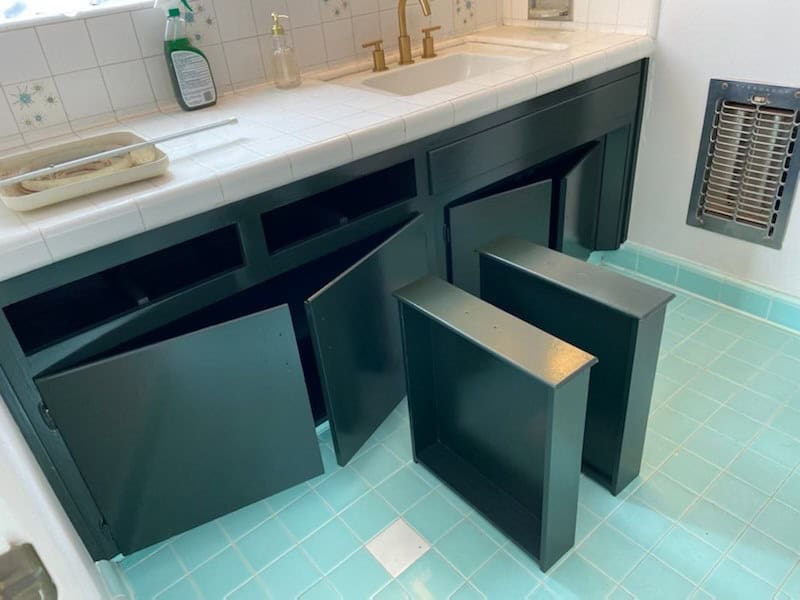
Well-executed built-in cabinet painting transforms a room. Dated honey oak built-ins become clean, modern white. Dark-stained bookshelves brighten up with a fresh coat of color. Worn and chipped paint gets replaced with a smooth, durable finish.
The work typically lasts 10-15 years on low-traffic built-ins and 7-10 years on high-use surfaces when proper products and techniques are used. That’s a significant return on the investment of time or money.
Ready to Transform Your Built-In Cabinets?
Your built-in shelves and cabinets don’t have to stay stuck in the past. Whether you decide to pick up a brush yourself or bring in experts to handle the job, fresh paint changes how your entire room looks and feels.
If you’d rather skip the learning curve and get straight to the beautiful results, Procoat Painting San Diego Residential Commercial Painters is here to help. Our team handles every step—from prep work through final coat—so you get a factory-smooth finish without the hassle. Call 619-353-5394 today to schedule your free estimate and see what’s possible for your built-ins.