
You just picked out the perfect paint color. The walls are clean. You’re ready to roll. But then the question hits: Do I really need primer? If you’re thinking about interior house painting and wondering whether skipping primer when painting is worth the risk, you’re not alone. It’s one of the most common questions homeowners ask—and one that can make or break your results.
Here’s the honest truth: skipping primer might save you an hour or two on a Saturday afternoon. But it can also cost you months of frustration, extra money, and a finished product that looks nothing like what you imagined.
Let’s break down exactly what happens when you skip this step—and when you might actually be able to get away with it.
Key Takeaways:
What Does Primer Actually Do?
Before we talk about what goes wrong without primer, let’s get clear on what primer does in the first place.
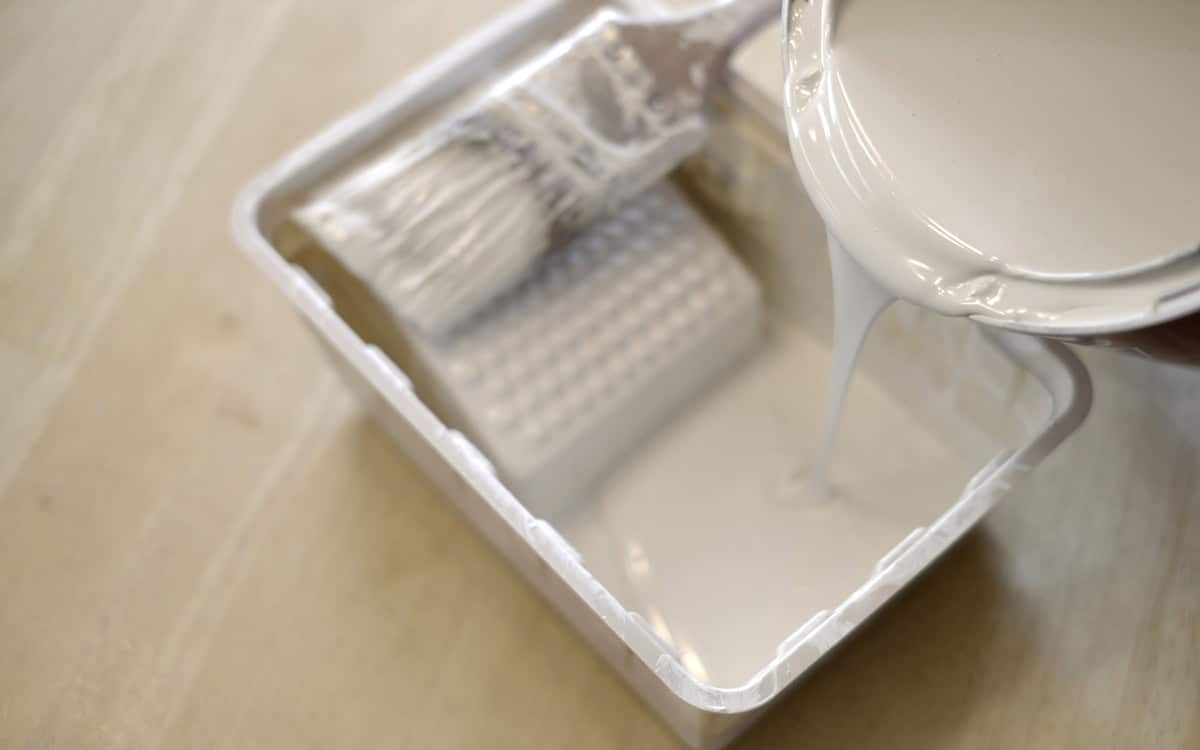
Primer is not paint. It’s a preparatory coating designed to do a few specific jobs:
- Seals porous surfaces. Bare drywall, wood, and patched areas absorb paint unevenly. Primer creates a uniform surface so your topcoat goes on smoothly.
- Blocks stains and odors. Got water stains, smoke damage, or marker drawings from the kids? Primer contains special ingredients that stop those from bleeding through your fresh paint.
- Creates adhesion. Paint doesn’t stick well to glossy, slick, or previously painted surfaces. Primer gives your topcoat something to grip.
- Saves you money on paint. Because primer costs less than quality paint, using it as your first coat means you need fewer expensive topcoats to get full coverage.
When you skip primer, you’re asking your paint to do all of these jobs—plus look good. That’s a lot to ask.
What Happens When You Skip Primer
So what actually goes wrong when you skip this step? Here are the most common problems homeowners run into:
1. Paint Peels or Flakes Off
This is the big one. When paint doesn’t have a proper surface to grip, it can start peeling within weeks or months. You might notice it first around edges, corners, or high-moisture areas like bathrooms and kitchens.
Once peeling starts, there’s no easy fix. You’ll need to scrape, sand, prime (yes, prime), and repaint. It’s the project you tried to avoid, except now it’s twice the work.
2. Uneven Coverage and Blotchy Color
Have you ever painted a wall and noticed some spots look darker or shinier than others? That’s often because the wall absorbed paint differently in different areas.
Patched spots, drywall seams, and texture variations all absorb paint at different rates. Without primer to seal everything evenly, you end up with a wall that looks patchy—even after multiple coats.
3. You Use More Paint Than Expected
Here’s where skipping primer gets expensive. Porous surfaces soak up paint like a sponge. That gallon you thought would cover the whole room? It might only cover half.
Homeowners who skip primer often end up buying two or three extra gallons of paint to get decent coverage. At $40-60 per gallon for quality paint, that “shortcut” just cost you more than a gallon of primer would have.
4. Stains Bleed Through
Painted over a water stain without primer? Give it a few weeks. That brown spot will likely reappear, ghosting through your fresh white paint like it was never covered.
The same goes for smoke damage, ink, crayon, and certain wood tannins. Standard paint simply cannot block these stains. You need a stain-blocking primer specifically designed for the job.
5. Your Color Doesn’t Look Right
Planning to paint a dark room light, or cover bold red with soft gray? Without primer, that old color will affect how your new color looks.
Dark colors underneath can make light topcoats look muddy or pink. Even after three or four coats, you might still see the old color influencing the new one. A tinted primer—gray for dark colors, white for light—helps your topcoat show its true shade.
When Can You Skip Primer? (Yes, Sometimes You Can)
Not every painting project requires primer. Here are the situations where you might be able to skip it:
- You’re painting over a similar color. Going from light blue to light green? The coverage demands are low enough that a quality paint with good hiding power may work on its own.
- You’re using a paint-and-primer-in-one product. These combination products work well for straightforward jobs—clean walls, no stains, similar colors. They’re not a substitute for true primer in demanding situations, but for basic repaints, they can save time.
- The existing paint is in good condition. If the current paint isn’t peeling, chalking, or glossy, and you’ve cleaned the walls, a quality topcoat may adhere just fine.
- You’re painting over already-primed surfaces. If you recently primed but didn’t get to painting, you don’t need to prime again (unless it’s been more than 30 days or the primer has gotten dirty).
When You Should Always Use Primer
Some situations call for primer no matter what. Skipping it in these cases almost guarantees problems:
- New drywall. Bare drywall is extremely porous and will drink up paint. You’ll get uneven sheen, poor coverage, and potential adhesion issues. Always prime new drywall.
- Patched or repaired areas. Joint compound and spackle absorb paint differently than the surrounding wall. Prime any patches so they don’t show through as dull spots.
- Covering stains. Water stains, smoke damage, marker, grease, or any discoloration requires a stain-blocking primer. Regular primer won’t cut it—look for products labeled “stain blocking” or “odor blocking.”
- Drastic color changes. Going from dark to light? Light to bold? Use a tinted primer to reduce the number of topcoats needed and make sure your final color looks right.
- Glossy or slick surfaces. Paint doesn’t stick well to shiny finishes. A bonding primer helps your topcoat grip properly.
- Bare wood. Wood is porous and contains tannins that can bleed through paint. Prime bare wood to seal it and block stains.
- High-moisture areas. Bathrooms, kitchens, and laundry rooms benefit from a moisture-resistant or mold-resistant primer to protect against humidity damage.
The Real Cost of Skipping Primer When Painting
Let’s do some quick math.
A gallon of quality primer costs around $20-35 and covers about 300-400 square feet. For an average bedroom, you might need one gallon.
Skipping primer might mean:
- Buying 1-2 extra gallons of paint ($40-120)
- Spending twice as long on the project
- Living with a finish that looks “off”
- Repainting within a year or two when problems appear
When you add up the true cost—extra paint, extra time, potential rework—primer is one of the cheapest investments in a painting project.
How to Choose the Right Primer
Not all primers are the same. Here’s a quick guide to matching primer to your project:
- PVA (polyvinyl acetate) primer: Best for new drywall. Affordable and effective at sealing porous surfaces.
- Stain-blocking primer: Choose this for water stains, smoke damage, ink, or any discoloration you need to hide. Available in latex and shellac-based formulas.
- Bonding primer: Designed to grip slick or glossy surfaces. Use this over existing oil-based paint, tile, laminate, or other hard-to-paint surfaces.
- Tinted primer: Ask your paint store to tint your primer close to your topcoat color. This reduces the number of finish coats needed, especially for bold or dark colors.
A Simple Test Before You Paint
Still not sure if you need primer? Try this:
Clean a small section of your wall. Apply one coat of your topcoat paint. Let it dry completely.
Look at it in natural light. Is the coverage even? Does the color look right? Does it look the same as the rest of the wall when dry?
If you see any issues—blotchiness, color variation, or poor hiding—primer will solve them. One test patch can save you from repainting an entire room.
The Bottom Line on Skipping Primer
Primer isn’t glamorous. It doesn’t change the color of your room or feel like progress. But it’s the foundation that makes everything else work.
Skipping primer when painting might seem like a shortcut, but it often leads to more work, more money, and more frustration than simply doing the job right the first time.
When in doubt, prime!
Want to Get Your Painting Project Done Right?
If you’re feeling overwhelmed by prep work, primer choices, and color decisions, you don’t have to figure it all out alone. A professional painter can assess your walls, recommend the right products, and make sure your paint job lasts for years—not months.
Procoat Painting San Diego Residential Commercial Painters helps homeowners like you get beautiful, long-lasting results without the guesswork. Whether you want a full-service paint job or just some expert advice on your DIY project, we’re here to help.
Call 619-353-5394 today to schedule a free consultation. We’ll walk through your project together, answer your questions honestly, and give you a clear picture of what it takes to get the results you’re looking for.