
A new paint job on a commercial building is a real investment. One of the most common complaints owners raise is paint peeling within a year of the work. When that happens, the trouble usually started before the first drop of paint touched the wall. Most of the time, the cause is weak surface preparation for painting. Rush that step, and even a strong coating can let go of the wall. In a lot of these cases, the paint itself was fine. The prep under it was not.
The gap between a finish that lasts and one that fails is rarely about the brand of paint. In fact, it comes down to the work nobody sees. This post lays out what good prep involves, why it gets cut from a bid, and how to read a quote so you can tell the careful crews from the fast ones. If you want a partner who prices that work out in the open, our commercial painting services page shows how we scope it.
Key Takeaways:
What Surface Preparation for Painting Actually Means
Prep is everything that happens before the color goes on. It is washing, scraping, sanding, patching, and priming. On a commercial site it can also mean pressure washing, pulling off old failing paint, and treating bare metal or fresh concrete. None of it shows up in the finished look, which is exactly why it is easy to shortchange.
Here is a simple way to picture it. Paint needs a clean, dry, sound surface to grip. Dirt, oil, dust, rust, or loose old paint all act like a barrier. The coating sits on top of the mess instead of bonding to the wall. For a while it looks fine. Then it starts to lift.
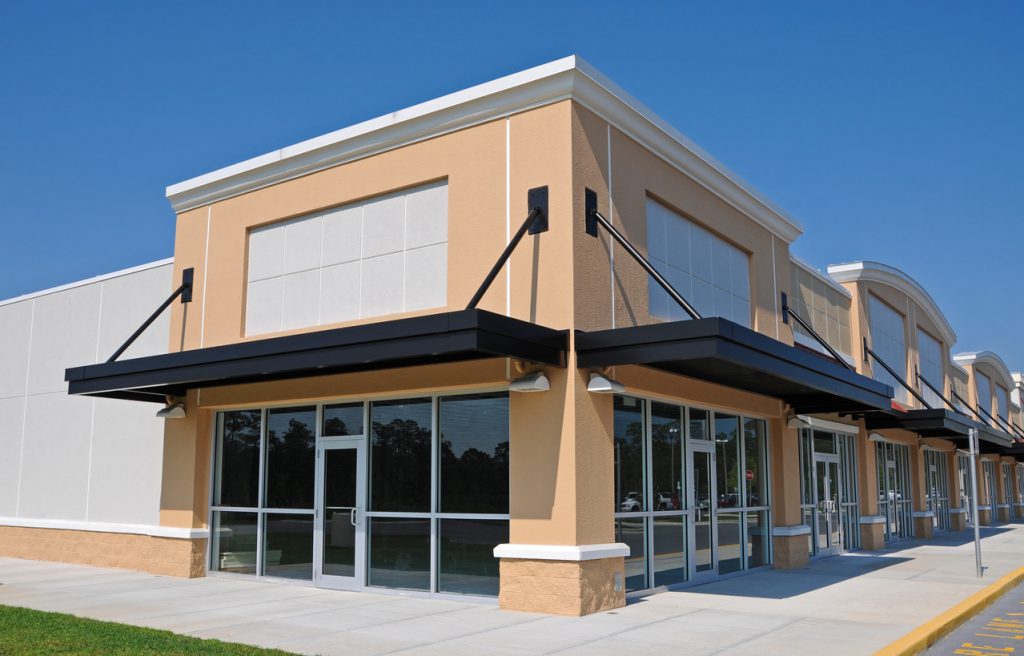
Still, commercial buildings make this harder than a house ever would. One property might mix block, stucco, steel doors, and a metal roof, and each surface wants its own prep. Skip the part that fits the surface, and that is the spot that fails first.
The details matter more than most people expect. For example, Sherwin-Williams notes that outdoor painting should wait when it is foggy, when rain is near, or when the temperature sits below 50 degrees. Fresh concrete is even pickier. It usually needs about 28 days to cure before it can take a coating, and it has to test dry first. Miss those windows and the clock starts ticking on a failure.
Why Does Paint Peel on Commercial Buildings?
So why does paint peel when the crew used quality products? The answer almost always points back to the surface, not the can. Sherwin-Williams reports that up to 80% of all coating failures come from poor prep that hurts how well the paint sticks. That is a huge share for a step that gets cut to save a few hours.
Peeling is only the most obvious sign. Blistering, cracking, and chalking tell the same story. For example, moisture trapped under the film pushes the coating off. Salt or dust left on the wall also breaks the bond. A glossy old surface that never got sanded gives the new paint nothing to hold. Different symptoms, same root cause.
Most paint peeling shows up early, often inside the first year or two. In fact, an early paint failure is rarely a product problem. It is a sign that the surface under the color was not ready. The paint kept its end of the deal. The prep did not.
So for an owner, the takeaway is plain. When a finish fails fast, the smart first question is not which paint they used. It is how the surface got prepped. That one question separates a small touch-up from a tear-it-all-off job.
The Real Cost of Skipping Surface Prep
A low bid feels like a win on the day you sign it. The math changes when the coating fails. Now you are paying to remove the bad paint, prep the wall the right way, and coat it again. You bought the same wall twice. On top of that, add the cost of scaffolding, access, and the hours your building looks rough in front of tenants or buyers.
There is a quieter cost too. Paint is not only color. On a commercial building it shields the surface from water, sun, and daily wear. When a coating lets go early, the material under it is exposed. On metal that can mean rust. On wood or concrete it can mean rot or cracking. A finish problem can grow into a repair problem.
No owner wants to wonder whether a cheap quote is hiding a shortcut. That is the part that stings, the feeling of being talked into a price that was never going to hold. Plenty of seasoned commercial painters will tell you the same thing: the cheapest bid often turns into the most expensive job.
How Good Surface Preparation for Painting Protects Your Building
Done right, prep is what makes a coating last. A clean, sound, properly primed surface lets the paint do its job for years instead of months. That is where your value sits, not in a fancier label on the bucket.
This is also where standards come in. The Painting Contractors Association, a nonprofit founded in 1884, publishes written standards that define what a “properly painted surface” really is. Those standards spell out steps like surface prep, approved sample areas, and how the finished work gets checked. A crew that paints to that kind of written rule is making a promise you can hold them to.
At Procoat Painting San Diego Residential Commercial Painters, I treat solid surface prep for painting as the heart of the job, not the warm-up. And I have walked enough commercial sites to spot a rushed surface from across the lot. We write the prep steps into the scope so you can see them, price them, and check them. The aim is simple: a coating that holds, on a building you do not have to think about again for a long time.
How to Tell If a Bid Includes Real Prep
You do not need to be a paint expert to protect yourself. Instead, you just need to ask sharper questions. Here is what to look for.
Two quotes can look the same on paper and mean very different things. The difference is almost always buried in the prep, the line nobody reads until the paint starts to fail.
Work With a Crew That Prices Prep Honestly
A paint job should protect your building, not become your next headache. The difference between a finish that lasts and one that peels is the work that happens before the color ever goes on. That work is worth paying for, and it is worth seeing spelled out before you sign.
If you are planning a project and want a clear, honest scope, talk to the team at Procoat Painting San Diego Residential Commercial Painters. We will walk your property, show you exactly what each surface needs, and put every prep step in writing so there are no surprises.
Call us at 619-353-5394 to set up a walkthrough. You will know precisely what you are paying for, and why it will hold. Dependable commercial painting starts with the prep, and so does protecting what you have already built.